Piano Key and Pedal Repair in Denver
Keys and pedals are the parts you touch, so their faults feel urgent. A sticking key stops a piece. A silent note makes a scale lie. A squeaking pedal is present in every bar. This service is the assessment and, when you agree, the repair of those acoustic-piano problems on uprights, baby grands, and grands.
The result is a key that moves and returns, a note that can speak if the rest of the action and the string allow it, or a pedal that does its job without extra noise. Some “key” problems turn out to be strings or hammers. The page still starts here because this is how owners describe them.
Keys: sticking, silent, slow to return
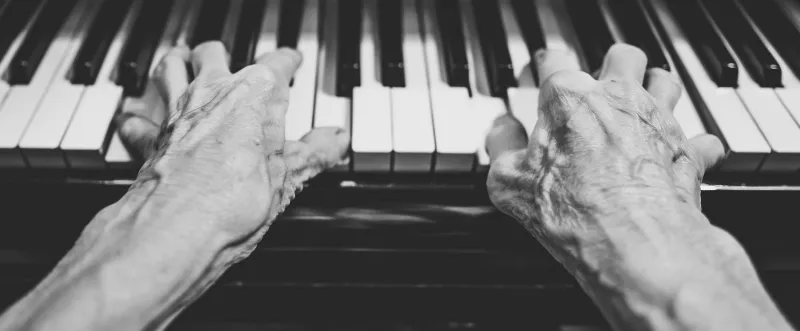
A sticking key may be swollen by humidity, pinched by a bushing, blocked by a dropped pencil, or tied to an action part that is out of line. A key that returns unevenly has a similar list. A silent note is broader: the key can be innocent while the string is broken or the hammer never arrives. Write down whether the key travels like its neighbors. That answer saves a wrong assumption.
Do not pull the action, sand a key, or put household oil or powder into the balance rail. Those steps hide the fault and can stain or glue the felt. Leave the key as it is and describe it.
A loose or missing keytop can be key work when the rest of the key is sound. It is agreed after a look. Refinishing the whole keyboard is not assumed.
Pedals: squeaks and pedals that do nothing
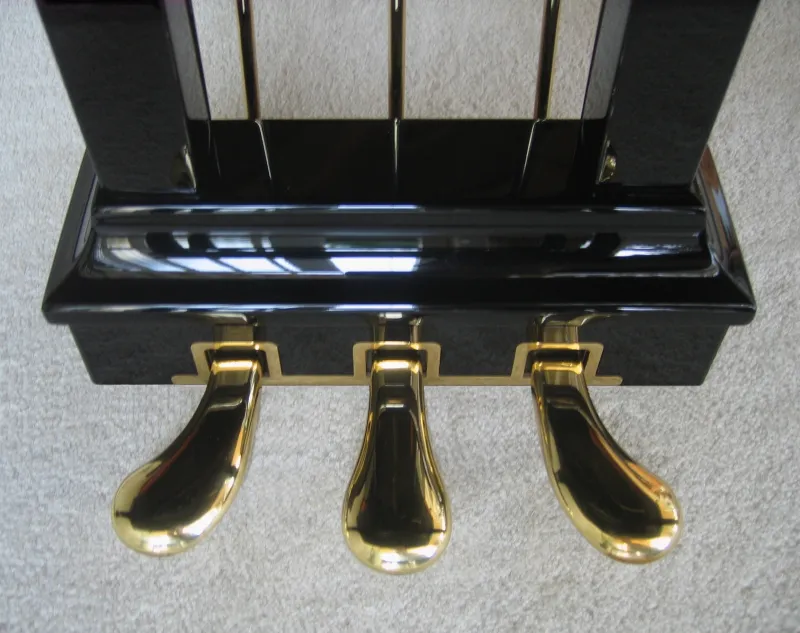
A grand’s pedals live in the lyre. An upright’s pedals run through trapwork under the keybed. Squeaks often come from dry linkages or from parts rubbing that should be quiet. A pedal that moves and changes nothing may have a disconnected rod, a worn felt, or an adjustment that no longer reaches the dampers. A sustain pedal that never lets the dampers sit down will make the whole piano sound muddy, which is easy to misread as a tuning problem.
Pedal repair here is that linkage and its small parts. A cracked lyre beyond ordinary service is a different discussion, not a promise made from a photo. If the fault is really the dampers, the conversation may move to regulation or repair before extra work starts.
What the visit is for
You describe the key numbers if you know them, or the range, and what the pedal does or refuses to do. At the piano the fault is traced. Some repairs are completed in that visit because the cause is plain and was already authorized in outline. Others need a part, a second look, or a decision from you because the cost or the scope changed. Nothing is expanded in silence.
There is no flat fee on this page. A single sticking key is not the same job as a pedal lyre with several worn centers. Cost factors apply, and the estimate comes back from the request, not from a chart.
Getting the piano ready
Clear the bench area and the floor in front of the pedals. If a child dropped a toy inside, say so rather than fishing for it with a tool. Keep the room at the humidity you normally have; drying a damp piano with a space heater the morning of the visit changes the stickiness you want diagnosed. Mention the last time anyone tuned or repaired it.
The form does not hold a time. The visit is confirmed separately. If the piano also sounds sour, tuning can be discussed in the same reply.
Questions about keys and pedals
Why is a key sticking?
Humidity can swell wood, bushings can grab, a foreign object can sit under a key, or a part in the action can be out of line. The cause is not obvious from across the room. Forcing the key or spraying lubricant makes the next person’s job harder and can stain the key.
A note is silent. Is the key broken?
Maybe, and maybe not. A silent note can be a broken string, a jack that is not lifting the hammer, a hammer that is blocked, or a damper problem. Describe whether the key moves normally. That one detail separates a key fault from a string or action fault.
The key comes back slowly. What should I tell you?
Say whether it happens to one key or a neighborhood of keys, whether the room has been damp or very dry, and whether anything was spilled. Uneven return is a real symptom. It is not something to solve by sanding a key at home.
What does a bad pedal sound or feel like?
Squeaks, a pedal that goes to the floor and does nothing, a sustain that never clears, or a soft pedal that shifts with a clunk. Grand lyres and upright pedal traps fail in different places. Both are assessed on site rather than from a diagram.
Can I take the action out to look?
No. Pulling an upright action or removing grand action parts without training risks bent rods, lost screws, and a piano that cannot be played until it is put back correctly. Describe the symptom and leave the action in the piano.