Piano Services in Denver
Six kinds of work are available for acoustic pianos: tuning, repair, action regulation, voicing, pitch raises, and key and pedal repair. They overlap in a visit only when the piano needs more than one of them. Each has a different result, and choosing the wrong label is easy if the only clue is that the piano “does not sound right.”
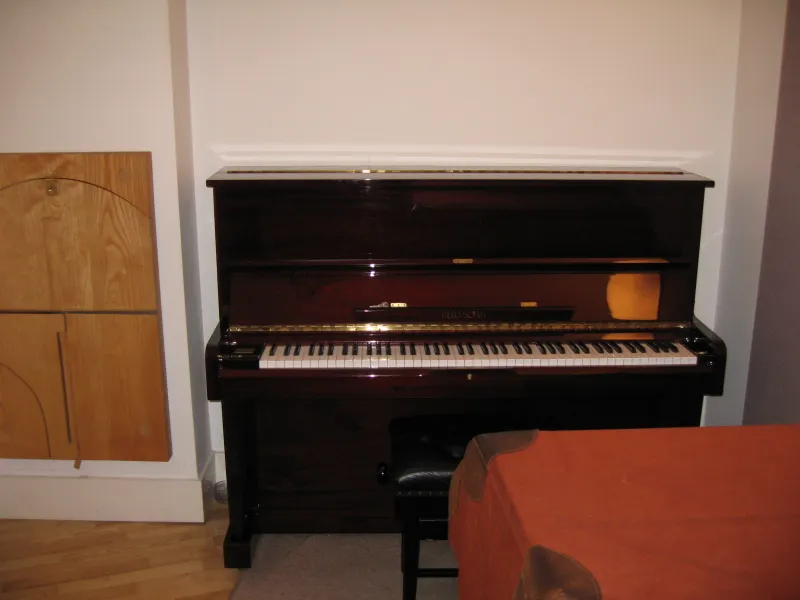
This page is a map. The detail lives on the individual service pages, where the symptoms, the limits, and the preparation are spelled out. Upright pianos, baby grands, and grands are all acoustic instruments covered inside these services. Digital keyboards are not.
Nothing on this site is a menu with a fixed price. Cost depends on the piano, and an estimate starts with a request.
Which description fits the piano
Tuning, when pitch is the problem
Choose piano and grand piano tuning when unisons beat, octaves disagree, or the whole instrument has drifted. Tuning corrects pitch. It does not automatically free a key, silence a buzz from a loose part, or make a bright hammer mellower. A piano that was tuned recently and still feels wrong may need a different service.
Repair, when something is failing
Repair starts with a symptom: a note that will not speak, a buzz, a string that broke, a part that clicks or flops. The visit is for diagnosis and for the specific work you agree to. It is not a promise to rebuild the instrument or to fix every kind of damage. Full restoration is outside this practice.
Regulation, when touch is uneven
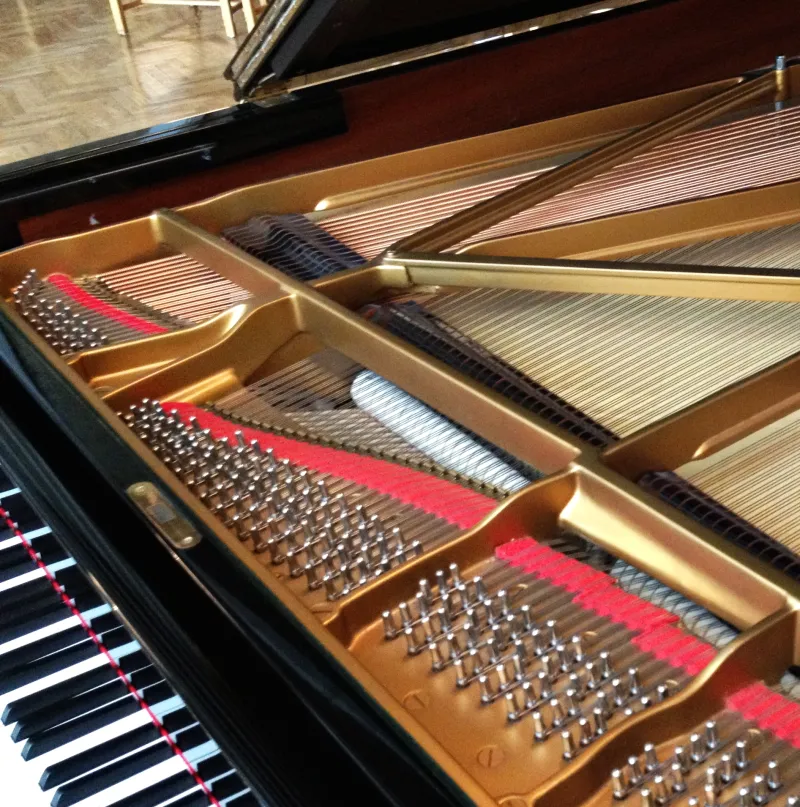
Action regulation is for the mechanism under the keys. Owners notice slow repetition, keys that sit at different depths, notes that do not damp together, or a touch that feels heavier in one range. Regulation adjusts that mechanism. It is not a tuning, and it is not voicing.
Voicing, when tone is the complaint
Voicing addresses hammers and the color of the sound: too bright, too harsh, or uneven from note to note. Here, voicing never means jazz chord voicings and it is not a lesson. If the hammers are badly worn, repair may have to come first. That is decided after a look, not from a message alone.
A pitch raise, when the piano has been left flat
A pitch raise is the rough correction used when strings have dropped far below the pitch you want, often after years without service. It is not the same appointment as a routine tuning of a piano that is already close. A fine tuning usually follows, sometimes on a later visit if the piano will not hold the higher tension immediately.
Keys and pedals, when the contact points fail
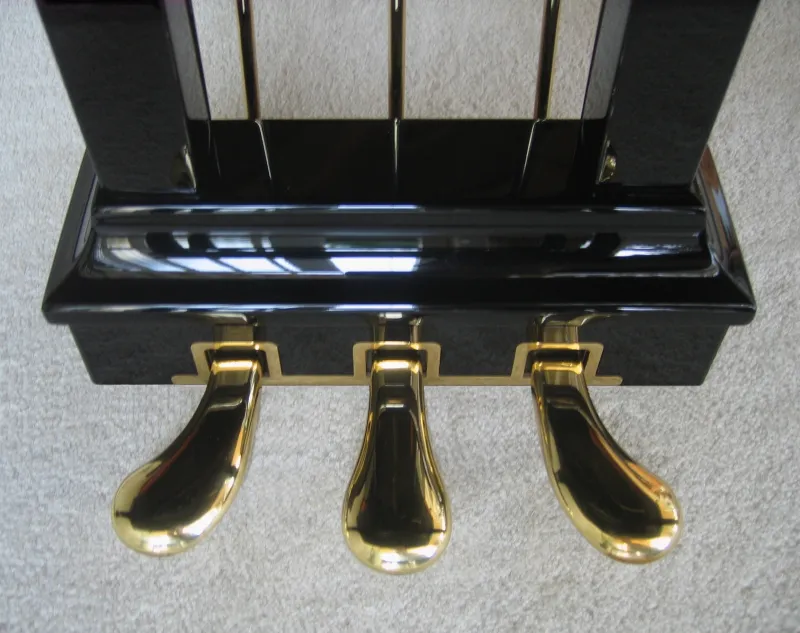
Key and pedal repair covers sticking keys, silent notes that seem to start at the key, uneven return, and pedals that squeak, sink, or do nothing. Do not take the action out or force a key while you wait. Describe what happens and let the assessment decide whether the fault is the key, the action, a string, or the pedal trapwork.
How the services stay separate
A single visit can include more than one task if you agree to each part. A tuning might reveal a broken string. Regulation might be pointless until a worn flange is repaired. The useful habit is to name the symptom first and let the category follow.
Preparation is similar for all six: clear a path to the keyboard, keep the room at a normal indoor temperature, and know roughly when the piano was last serviced. The visit sequence explains what a request does and does not confirm.
If you are unsure which page fits, choose “Not sure — please advise” on the form. The reply will say what information is still missing.
Ask for an individual estimate
Published rates are not listed because the same job title can take very different time on two pianos. A stable upright near pitch is not the same appointment as a grand that needs a pitch raise and has several dead notes. Read the cost factors, then send the details you have.